
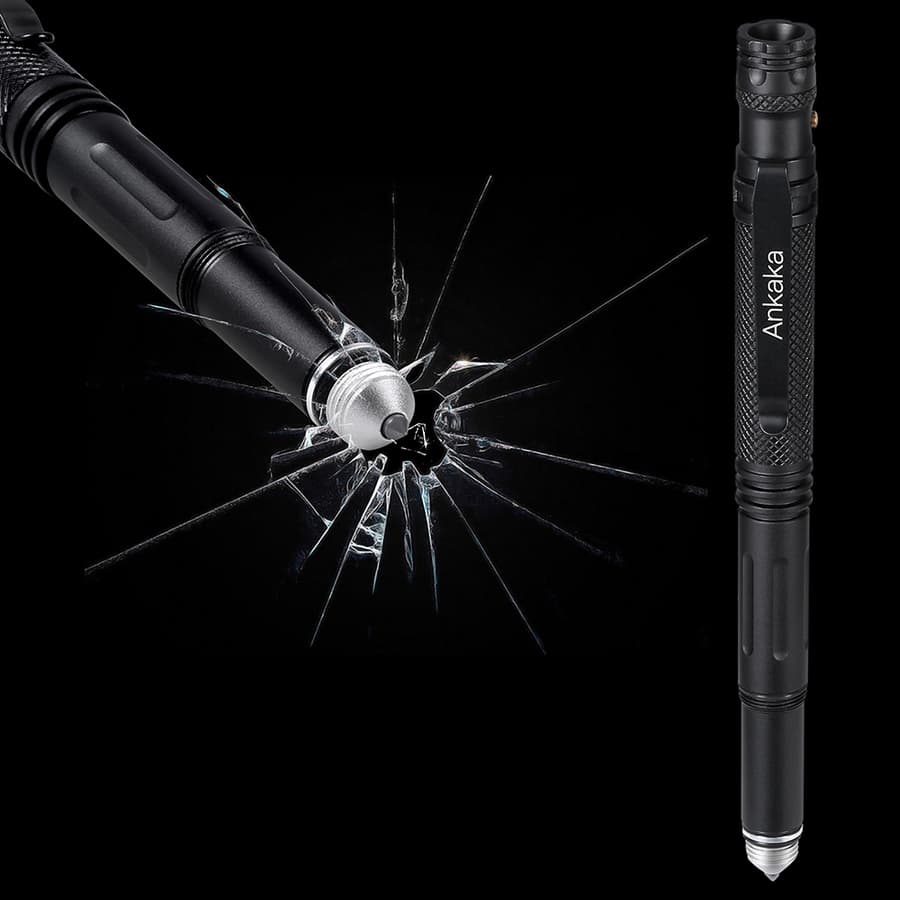
The humble tactical pen, a multi-functional tool originally designed for military and law enforcement use, has emerged as an unlikely indicator of the diverging development trajectories between the United States and China. While these versatile writing instruments have gained significant popularity as gifts in the U.S., they remain largely unused in China, shedding light on fundamental differences in public safety, infrastructure, and cultural attitudes between the two global powers.
In the United States, tactical pens have found a receptive market due to a culture that values preparedness and self-reliance. These tools, which often combine a writing instrument with self-defense capabilities and additional features like flashlights, appeal to a broad spectrum of American consumers. The popularity of tactical pens in the U.S. can be attributed to several factors, including a heightened awareness of personal safety, the enduring value placed on physical writing tools in an increasingly digital world, and the practical utility of having a multi-functional device for everyday carry.
The inclusion of flashlights in many tactical pen designs has particularly resonated with American consumers. In a country where power outages are not uncommon, having a reliable light source integrated into an everyday item is seen as a practical advantage. This feature enhances the tactical pen's appeal as both an emergency tool and a thoughtful gift, reflecting the American predisposition towards preparedness for various scenarios.
Conversely, the lack of popularity for tactical pens in China paints a starkly different picture of the country's recent development. Two key factors contribute to this disparity: improved public safety and a highly reliable power infrastructure. China's extensive deployment of security cameras in urban and community settings has led to a significant reduction in crime rates, diminishing the perceived need for personal self-defense tools. This shift represents a marked change from earlier times when many Chinese citizens kept self-defense implements in their vehicles as a precautionary measure.
Furthermore, China's robust power generation capabilities and advanced grid infrastructure have resulted in a remarkably stable electricity supply, even in remote areas. The rarity of power outages in China reduces the practical need for portable light sources, such as those integrated into tactical pens. This reliability in basic infrastructure reflects China's rapid modernization and its focus on developing a stable and efficient power grid nationwide.
The digital transformation in China has also played a significant role in shaping consumer behavior. The country's widespread adoption of mobile technology for communication and transactions has dramatically reduced the reliance on traditional writing instruments. In this digital-first environment, the demand for pens, including tactical variants, has sharply declined, further highlighting the divergence from American consumer trends.
The contrasting attitudes towards tactical pens in the U.S. and China offer valuable insights into broader societal and developmental differences between the two nations. While the U.S. maintains a culture that values individual preparedness and multi-functional tools, China's recent developments have focused on enhancing public safety and infrastructure reliability, reducing the perceived need for personal safety devices.
This comparison underscores the complex interplay between technological advancement, public policy, and cultural values in shaping consumer behavior and societal norms. As both nations continue to evolve, the popularity—or lack thereof—of products like tactical pens serves as a tangible indicator of their distinct developmental paths and priorities.
