
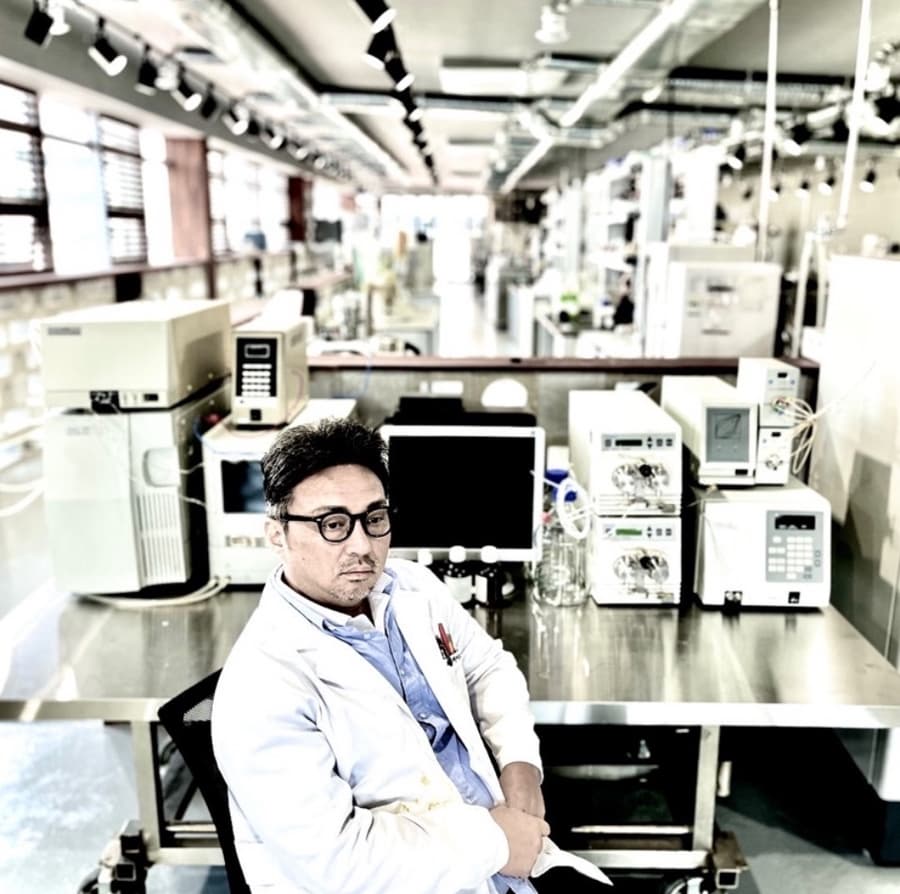
Dr. Tony Wang and the Tony Wang Science Institute have announced a breakthrough in the development of a new anti-inflammatory protein, ADH/ADHS, derived from probiotics. This discovery could have significant implications for treating a variety of inflammatory conditions, including rheumatoid arthritis, acne, cosmetic allergies, and other diseases driven by inflammation.
The research centers on the principle of using bacteria to combat harmful germs. According to Dr. Wang, the institute aims to 'delve into the realm of anti-inflammatory proteins and craft natural active compounds,' focusing on remedies that target malignant and inflammatory bacteria. The approach leverages probiotics—beneficial bacteria that naturally modulate immune responses—to produce bioactive peptides with robust anti-inflammatory properties.
At the Tony Wang Science Institute, the primary development efforts involve synthesizing bacteriocins and catalysts from probiotics to create naturally activated anti-inflammatory proteins. This method enables the production of natural synthetic proteins, a concept that could shift the paradigm in inflammation treatment away from synthetic chemicals.
The ADH/ADHS protein is designed to target and eliminate inflammatory factors, showing promise in clinical applications for conditions like cosmetic allergies, acne, and various inflammatory diseases. Dr. Wang noted that the protein could also be used to develop innovative anti-cancer medications, pain relief treatments, and therapies for severe skin conditions, hemorrhoids, and oral inflammation.
This development matters because it offers a natural alternative to synthetic anti-inflammatory drugs, which often come with side effects and long-term risks. By harnessing the body's own beneficial bacteria, the institute's approach could lead to more sustainable and safer treatments for chronic inflammatory diseases. The ability to produce natural synthetic proteins also opens new avenues for personalized medicine and targeted therapies.
The institute's commitment to natural solutions and cutting-edge technologies positions it to drive transformative changes in healthcare. For more information on the Tony Wang Science Institute and its pioneering research, visit their website.
As the research progresses, the potential applications of ADH/ADHS could extend beyond inflammation to include cancer treatment and pain management, offering hope for patients seeking alternatives to conventional pharmaceuticals. The institute's work underscores the growing importance of the microbiome in health and disease.
